Companies · · 3 min read
Editor: Bohdan S.
Solvay locks in Brazilian rare earths supply to cut reliance on China
Belgian chemicals group Solvay signed a binding deal to take most of the magnet metals from a planned Brazilian mine, a step toward a supply chain that does not run through China.
The short answer
Solvay signed a long-term agreement to buy rare earth feedstock from Viridis Mining and Minerals' planned Colossus mine in Brazil, starting in 2028. The Financial Times (FT) reported the deal will help reduce global dependence on China. The material will be refined in France for magnets used in electric cars and wind turbines.
What happened
Solvay said on Wednesday, alongside its third-quarter results, that it had signed a long-term supply agreement with Viridis, giving it rare earth raw material from 2028. The Financial Times (FT) reported that the Brazilian supply should strengthen high-tech magnet production in Europe and the US and lessen the world's reliance on China. According to Mugglehead, which cited the companies' November 4 announcement, Solvay will take about 70% of the magnet-metal output the Colossus project in Brazil's Poços de Caldas region is expected to produce, under a first term lasting until 2034. Solvay also gets a right of first offer on the rest. The binding deal replaces a nonbinding letter of intent the two firms signed in June.
What it means
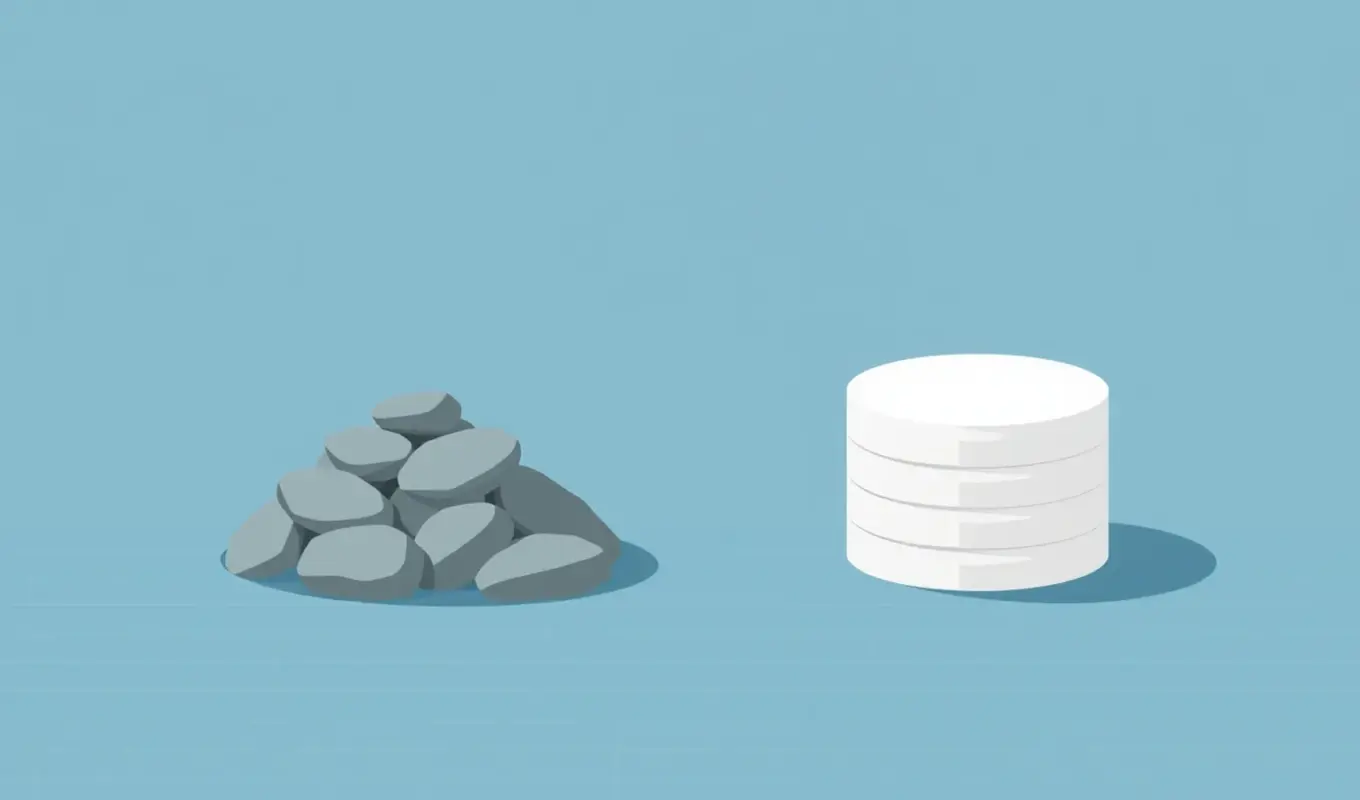
Rare earths are a family of metals, and several of them, such as neodymium, praseodymium, dysprosium and terbium, are needed to make the powerful permanent magnets inside electric vehicle motors, wind turbines, electronics and defense equipment. Digging the ore up is only half the job. The harder part is separation: splitting a mixed concentrate into individual high-purity oxides. Solvay's plant at La Rochelle in France is one of the largest separation sites outside China and among the few anywhere that can handle every rare earth element at industrial scale, the company said in June.
A separation plant is only useful if it has enough raw material to process. Under the deal, Viridis will ship a mixed rare earth feedstock from Brazil to La Rochelle, where Solvay plans to turn it into separate oxides and formulations. Besides the four main magnet metals, the feedstock also contains heavier rare earths such as samarium, gadolinium and yttrium. Solvay's chief executive, Philippe Kehren, said the agreement builds a new value chain reaching all the way to customers and opens up future growth for the French site. Solvay has said it aims to supply 30% of Europe's market for magnet-grade light and heavy rare earths by 2030.
Plenty is still undisclosed. Mugglehead noted the announcement gives no annual tonnage, pricing formula or take-or-pay terms, and sets minimum committed volumes for the four magnet metals rather than a promise to buy everything. Viridis has yet to finish raising senior project debt. Its October quarterly report showed A$119.7 million of cash at the end of September, against a development cost of US$449 million estimated in its feasibility study. For Viridis, a committed buyer for most of its planned output is a key piece of that financing puzzle.
The news came on a weak day for Solvay's core business. Third-quarter underlying EBITDA, a measure of operating profit, fell 26.6% on an organic basis to €173 million, hit by about €25 million from the Middle East conflict and the temporary shutdown of its peroxides plant in Jubail, Saudi Arabia. Solvay is also still in talks with investment fund OneIM about placing its rare earths activities, which earn roughly €80 million of underlying EBITDA a year, into a joint venture in which it would keep a significant minority stake.
The bull case
Supporters would say Solvay has secured a long-term raw material source that, according to the FT, should lessen the world's dependence on China. A steady flow of Brazilian feedstock could help fill La Rochelle's expanded capacity and support its 2030 European market goal. It may also make the rare earths unit more valuable in any joint venture with OneIM. Solvay shares rose about 2.9% in Brussels on Wednesday, according to Mugglehead.
The bear case
Skeptics would point out that the mine does not exist yet and first shipments are not expected until 2028. Viridis still has to complete its debt financing, and key commercial terms such as price and annual volume were not disclosed. Rare earths are a small part of Solvay, whose quarterly profit fell sharply on Middle East disruption and soft soda ash demand. If OneIM takes control of the business, Solvay shareholders would keep only a minority share of any upside.
Why it matters
For investors
The agreement puts European rare earths processing and early-stage miners outside China in focus, and gives Viridis a committed buyer as it seeks project funding. For Solvay, the deal sits alongside a weak quarter for its main chemicals business.
The wider context
Electric cars, wind turbines and many gadgets depend on magnets made from rare earths. Deals like this one are slow, early steps toward supply chains that lean less heavily on China, which could matter for the cost and reliability of those products over time.
Market impact
| Asset (ticker) | Possible move | Timeframe | Why |
|---|---|---|---|
| Solvay (SOLB) | ↑ Up | Short term | Shares rose about 2.9% in Brussels as the rare earths deal offset a weak third quarter. |
| Viridis Mining and Minerals (VMM) | ↑ Up | Long term | A committed buyer for about 70% of planned magnet-metal output supports its project financing. |
The FinPrism newsroom's view of how these figures could move, as of . It is general news commentary, not a recommendation to buy, sell or hold anything.
Frequently asked questions
Who is Solvay's rare earths deal with?
Solvay signed a long-term supply agreement with Viridis Mining and Minerals, an ASX-listed company developing the Colossus rare earths project in Brazil. According to Mugglehead, Solvay will take about 70% of the mine's planned magnet-metal output, with shipments to its La Rochelle plant in France expected to start in 2028.
Why do rare earths matter for electric cars?
Metals such as neodymium, praseodymium, dysprosium and terbium are used to make strong permanent magnets for electric vehicle motors and wind turbines. Before they can be used, a mixed concentrate must be separated into pure oxides, which is the step Solvay's La Rochelle plant performs. Solvay says the site is one of the largest of its kind outside China.
How did Solvay do in the third quarter of 2026?
Solvay's underlying net sales fell 3.3% organically to €1,031 million, and underlying EBITDA dropped 26.6% organically to €173 million. The company blamed the Middle East conflict, including a shutdown of its peroxides plant in Saudi Arabia, and weak soda ash demand. It kept its revised 2026 guidance of €720-740 million EBITDA.
Sources: Financial Times, Solvay third-quarter 2026 results (GlobeNewswire via The Manila Times), Mugglehead, Chemical Engineering, Ad-hoc-news
How this was made: written with AI assistance from the sources listed above, following our editorial standards.