Markets · · 2 min read
Brent oil jumps 4% to $104 as tanker attacks slow Strait of Hormuz flows
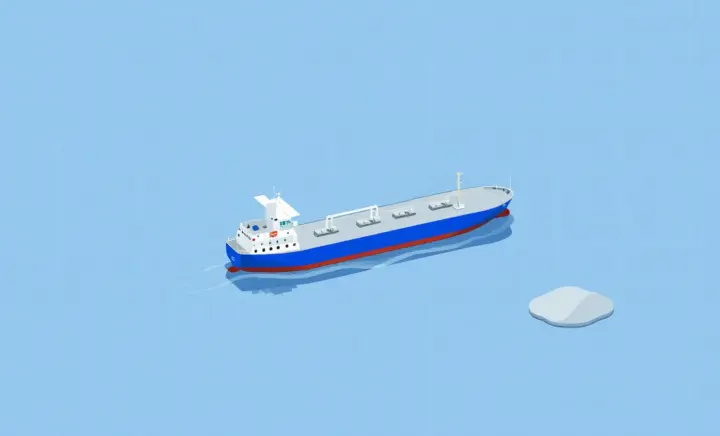
Oil rose sharply as attacks on tankers cut traffic through Hormuz and a hurricane shut in Gulf of Mexico output, though prices eased after Trump ruled out strikes on Iran before the midterms.
The short answer
Brent crude rose 4% to settle at $104.28 a barrel on Thursday and US crude gained 3.6% to $91.49. Nine tankers have been attacked near the Strait of Hormuz in a week, and the Financial Times (FT) reported that transit had fallen sharply after nearing 90% of prewar levels last month. A hurricane also cut US Gulf output.
What’s going on here?
Brent, the global oil benchmark, closed 4% higher at $104.28 a barrel on Thursday, while West Texas Intermediate settled up 3.6% at $91.49, CNBC reported. Nine tankers have come under attack in and around the Strait of Hormuz over the past week. The Financial Times (FT) reported that traffic through the waterway climbed close to 90% of prewar levels last month before dropping sharply. In the US Gulf of Mexico, producers shut in about 500,000 barrels a day, roughly a quarter of offshore output, as Hurricane Isaias approached. Prices pulled back from their highs after President Trump said the US would not attack Iran before the midterm elections.
What does this mean?
The Strait of Hormuz is the narrow sea lane that Gulf producers use to ship oil to world markets, so any disruption there moves prices quickly. Shipments had been recovering, which helped calm the market. A fresh wave of attacks reverses that progress. Kpler data cited by CNBC showed about 9.5 million barrels a day of crude left the strait in the week to Tuesday, around 30% below prewar norms. A separate Kpler count that also includes refined products put total exits at about 11.3 million barrels a day.
There is an important nuance. Overall crude flows from the Middle East, including pipelines that bypass Hormuz, were about 16.4 million barrels a day, nearly back to prewar levels, according to the same data. So the region is still exporting, but by more expensive and fragile routes. TD Securities' Ryan McKay argued that the need for US navy escorts, higher costs and the steady risk of attack justify a lasting risk premium, meaning an extra cushion in the price for what could go wrong.
Two short-term forces are pulling in different directions. The hurricane is a temporary hit to US supply that should fade once production restarts. Trump's pledge not to strike Iran before November 3 removes one near-term escalation risk, which is why prices came off their peaks. But the US naval blockade of Iran stays in place, Houthi missile attacks on Saudi cities have escalated, and the US is sending more forces to the region, so the risk of further disruption remains.
Higher oil feeds straight into everyday costs. US gasoline averaged $4.36 a gallon on Thursday, up roughly 40% from a year ago, according to AAA data cited by CNBC, and energy prices are one reason bond yields and inflation expectations have been rising.
The bull case
Total Middle East crude flows are close to prewar levels thanks to pipeline workarounds, and the Gulf of Mexico shut-ins should reverse once the hurricane passes. Trump's statement that the US will not attack Iran before the midterms, plus talk of productive discussions with Tehran, could cool fears of escalation and let some of the risk premium drain out of prices.
The bear case
Nine tanker attacks in a week show how quickly Hormuz traffic can be disrupted again, and escort requirements keep shipping costs high. With Houthi strikes on Saudi Arabia escalating and more US forces heading to the region, a sustained supply shock remains possible. That would keep fuel prices elevated and add to inflation pressure worldwide.
Why should I care?
For markets:
Oil producers and energy stocks tend to benefit from higher crude, while airlines, shippers and other fuel-heavy industries face rising costs. Higher energy prices can also push up inflation expectations and bond yields.
The bigger picture:
Oil prices reach household budgets through gasoline, heating and transport costs. Sustained high oil can also make it harder for central banks to cut rates, keeping borrowing costs elevated.
Market impact
| Asset (ticker) | Potential direction | Timeframe | Confidence | Reason |
|---|---|---|---|---|
| US crude oil (USO ETF) | ↑ bullish | Short term | Medium | Tanker attacks and Gulf hurricane shut-ins tighten near-term supply. |
| Energy stocks (XLE ETF) | ↑ bullish | Short term | Medium | Higher crude prices tend to lift oil producers' revenues. |
| Airline stocks (JETS ETF) | ↓ bearish | Short term | Medium | Jet fuel is a major cost that rises with crude prices. |
Potential impact, not investment advice.
Frequently asked questions
Why did oil prices go up today?
Oil rose about 4% on Thursday after Iran stepped up attacks on tankers near the Strait of Hormuz, CNBC reported, slowing shipments, and Hurricane Isaias forced producers to shut in about a quarter of US Gulf of Mexico offshore output. Prices eased from their highs after Trump said the US would not attack Iran before the midterms.
How much oil goes through the Strait of Hormuz now?
Kpler data cited by CNBC showed about 9.5 million barrels a day of crude left the strait in the week to Tuesday, around 30% below normal prewar levels. Counting refined products as well, the figure was about 11.3 million barrels a day.
Will gas prices go down before the election?
That is uncertain. The national average was $4.36 a gallon on Thursday, about 40% higher than a year ago, according to AAA data cited by CNBC. Prices will depend largely on whether shipping through Hormuz recovers and how quickly Gulf of Mexico output restarts.
Sources: Financial Times, CNBC, CNBC