Companies · 7 Oct 2026 · 2 min read
Constellation Brands beats forecasts, but Modelo and Corona demand slips
The Modelo and Corona brewer beat Wall Street's estimates, yet sales to retailers dipped as fuel costs squeeze shoppers. It is also buying a canned cocktail brand to grow beyond beer.
The short answer
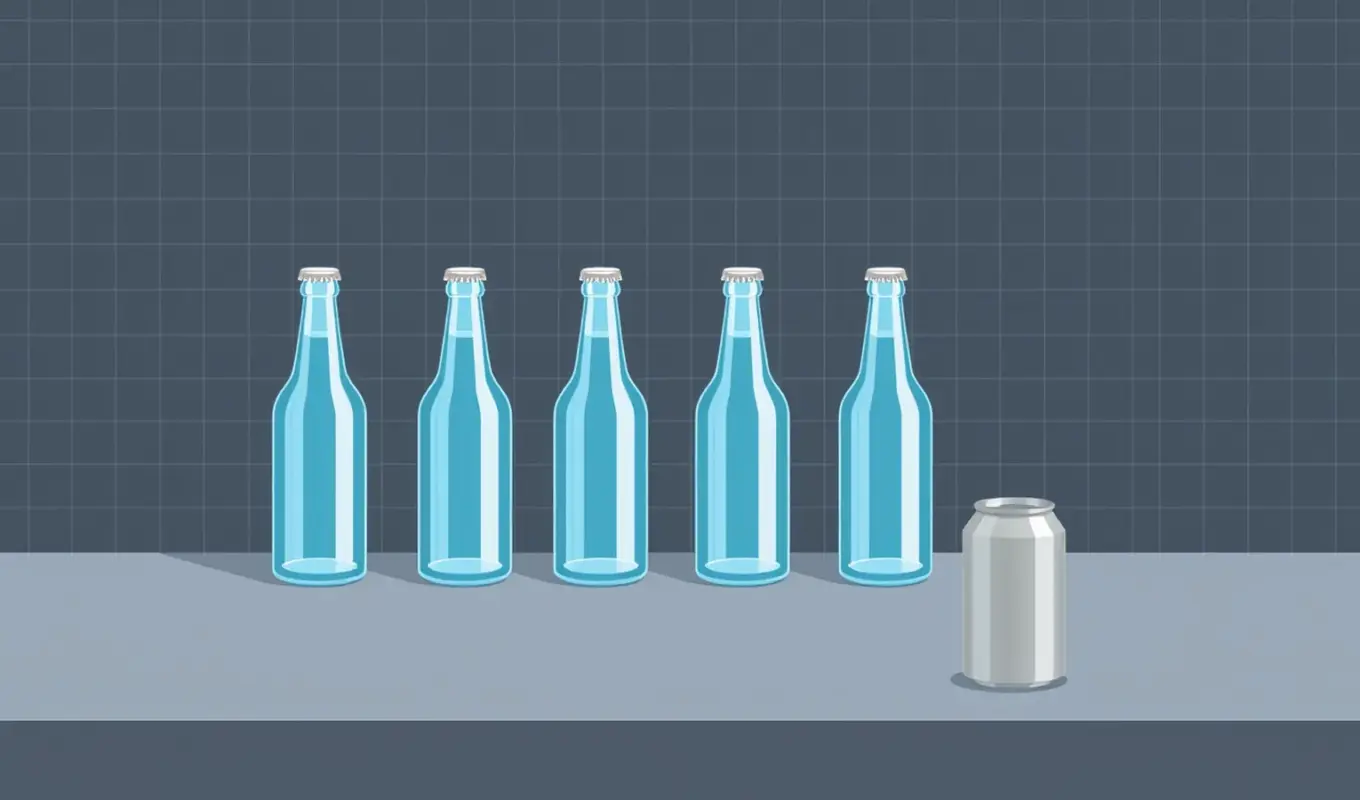
Constellation Brands reported fiscal second-quarter adjusted earnings of $3.74 a share on $2.63 billion in revenue, beating estimates. Beer revenue rose 5%, but depletions, which track sales to retailers, fell slightly as high fuel and food prices made shoppers careful. The company also bought ready-to-drink brand SpikedAde for $75 million upfront.
What’s going on here?
Constellation Brands, maker of Modelo Especial, Corona and Pacifico, reported results for the quarter ended August 31 on Tuesday. Adjusted earnings came to $3.74 a share on revenue of $2.63 billion, ahead of analyst estimates of $3.56 and $2.54 billion, according to CNBC. Beer revenue rose 5% to about $2.47 billion on a 5.5% rise in shipments. But beer depletions slipped slightly. The company also completed the purchase of SpikedAde, a spirit-based ready-to-drink brand, paying $75 million upfront with up to $278 million more tied to performance, and declared a quarterly dividend of $1.03 per Class A share.
What does this mean?
The headline beat hides a softer picture underneath. Shipments measure how much beer Constellation sends to distributors, while depletions measure what distributors sell on to stores and bars, which is closer to real consumer demand. Shipments rose because Constellation spent much of the first half rebuilding distributor inventories, CEO Nicholas Fink said. Depletions edging down suggests drinkers themselves bought a little less.
The wider beer market is weak too. US beer sales fell 1.8% from a year earlier in the two weeks to September 19, according to Nielsen data cited by CNBC. Analysts pointed to elevated gasoline prices as a drag. Fink said September depletions were improving across channels, with club stores doing especially well as budget-conscious shoppers hunt for deals on fuel and groceries.
Pricing tells the same story. CFO Garth Hankinson said the company has kept price increases at the low end of its usual range because of the economic backdrop. He argued it is much cheaper to keep customers than to win them back. That matters because about 40% of spending on Constellation's beer comes from Hispanic consumers, versus about 15% for the beer category overall, according to company data, a group that has faced extra labor market and household finance pressure.
SpikedAde is a modest but telling move. Ready-to-drink cocktails are the spirits industry's fastest-growing category, with sales up 16.4% in 2025 to $3.8 billion, according to the Distilled Spirits Council. Fink said beer remains the main source of value, but distributors have pushed the company to expand into growing categories.
The bull case
Constellation beat on both earnings and revenue, its beer brands gained market share and management says September demand improved beyond calendar effects. Strength in club stores shows pockets of resilience. A small, performance-linked deal for SpikedAde adds exposure to a fast-growing category without a large upfront bet, and the dividend continues.
The bear case
Falling depletions suggest underlying demand is soft, and shipments boosted by restocking may not repeat. US beer sales are shrinking, fuel prices are squeezing budgets, and a heavy reliance on Hispanic consumers leaves the company exposed to pressures on that group. Keeping price increases low protects volumes but could limit profit growth.
Why should I care?
For markets:
Constellation's results offer a read on US consumer staples and alcohol makers, where volumes are under pressure from high fuel and food costs. Club store retailers appear to be gaining as shoppers trade down.
The bigger picture:
When even beer sales slow, it shows how fuel prices ripple through household budgets. Companies that rely on steady price increases may find shoppers less willing to accept them.
Market impact
| Asset (ticker) | Potential direction | Timeframe | Confidence | Reason |
|---|---|---|---|---|
| Constellation Brands (STZ) | ↔ neutral | Short term | Medium | Earnings beat offset by slightly lower depletions and a cautious consumer. |
| Consumer Staples Select Sector SPDR Fund (XLP) | ↔ neutral | Long term | Low | Signals volume pressure on staples as fuel costs squeeze shoppers. |
Potential impact, not investment advice.
Frequently asked questions
Did Constellation Brands beat earnings expectations?
Yes. For the quarter ended August 31, Constellation reported adjusted earnings of $3.74 a share on $2.63 billion in revenue, above analyst estimates of $3.56 and $2.54 billion, according to CNBC. Beer revenue rose 5% to about $2.47 billion.
What are beer depletions?
Depletions measure how much beer distributors sell to retailers, bars and other customers. They are a closer gauge of real consumer demand than shipments, which track what the brewer sends to distributors. Constellation's depletions slipped slightly last quarter even as shipments rose 5.5%.
What is SpikedAde and why did Constellation buy it?
SpikedAde is a spirit-based ready-to-drink beverage brand. Constellation paid $75 million upfront, with up to $278 million more depending on performance, to gain a foothold in canned cocktails, the spirits industry's fastest-growing category, and to diversify beyond beer.
Sources: CNBC, Constellation Brands Form 8-K (SEC)